3D Printable Golf Things
A 3D printer turns a spool of plastic into golf gear. Two prints from the open source golf landscape are now part of my practice: a ball dispenser and a swing plane trainer. Both came off a Bambu Lab A1 mini.
Golf Ball Dispenser Pro
Golf Ball Dispenser Pro by christofer.jh is fully 3D printable. It needs no screws, springs or rubber bands, only golf balls. The magazine holds 25 balls and each press of the pedal places one on the tee. It is great for practicing into a net in the backyard or in a sim setup.
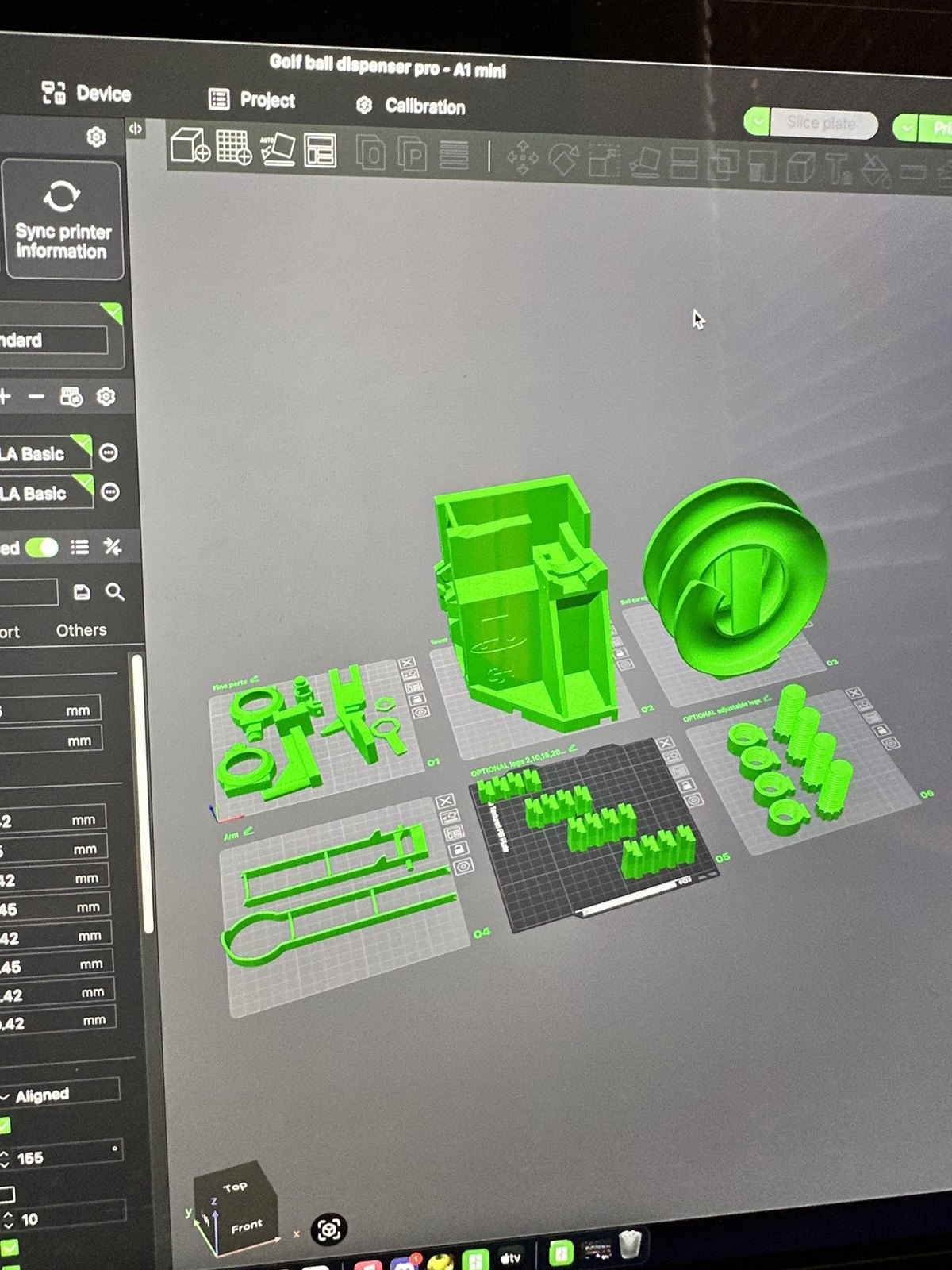
The project fills six plates: the tower, the ball garage, the arm, the fine parts and two optional sets of legs. It takes almost a whole roll of filament and roughly 9 hours to print.
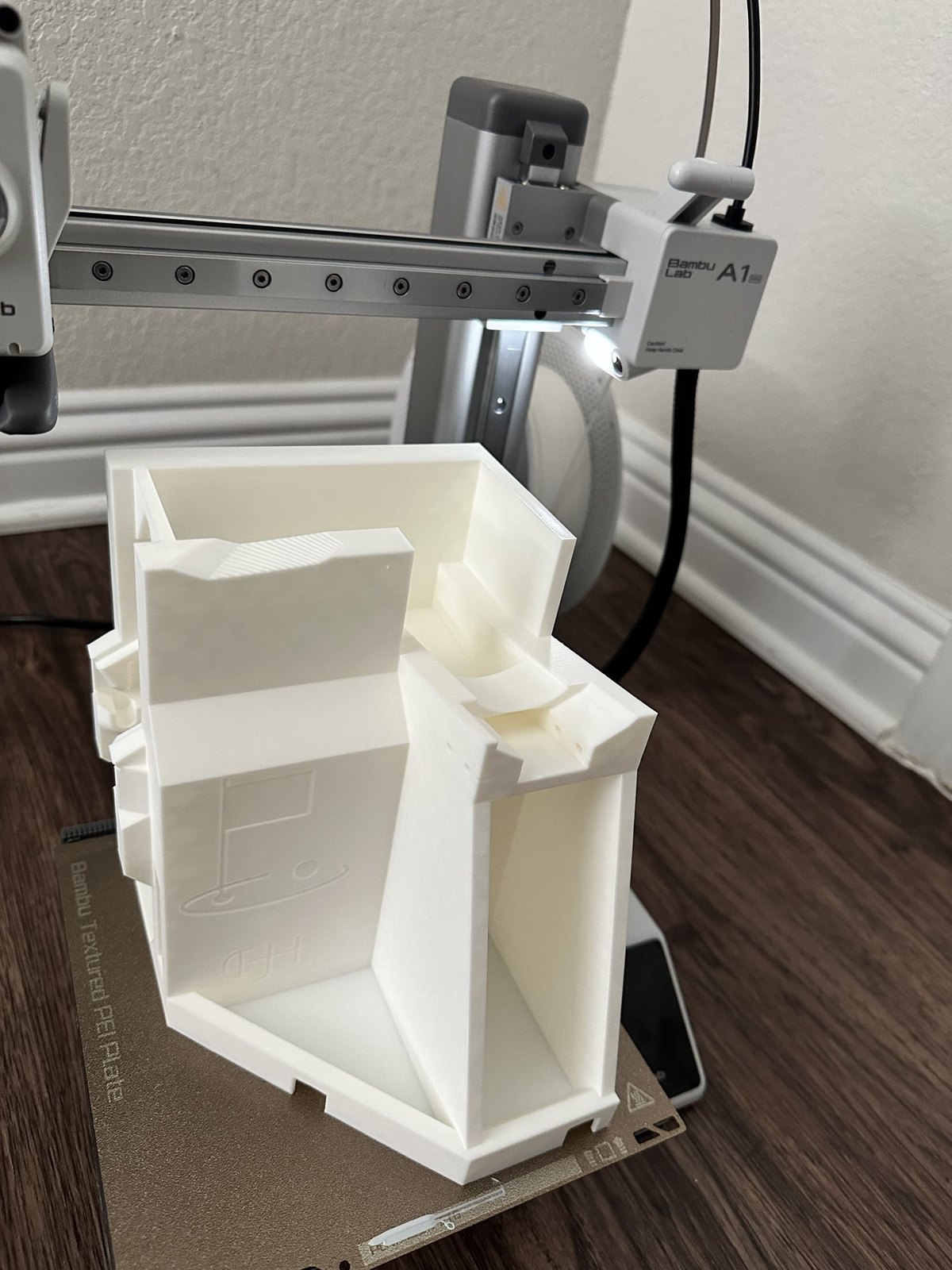
Three things to know before printing:
- Use real golf balls. Foam balls are too light to work in it.
- The arm is the longest part. On a small printer like the A1 mini it prints in two pieces that must be glued together.
- The model is free to download under MakerWorld’s Standard Digital File License, so technically it is not open source.
Golf Zwing Trainer
Golf Zwing Trainer V4 by WeighingMyOptions is a simple and effective tool for grooving swing plane. It is based on the Blue Brick training aid, so any training video made for it works for this one too. The design is in the public domain.
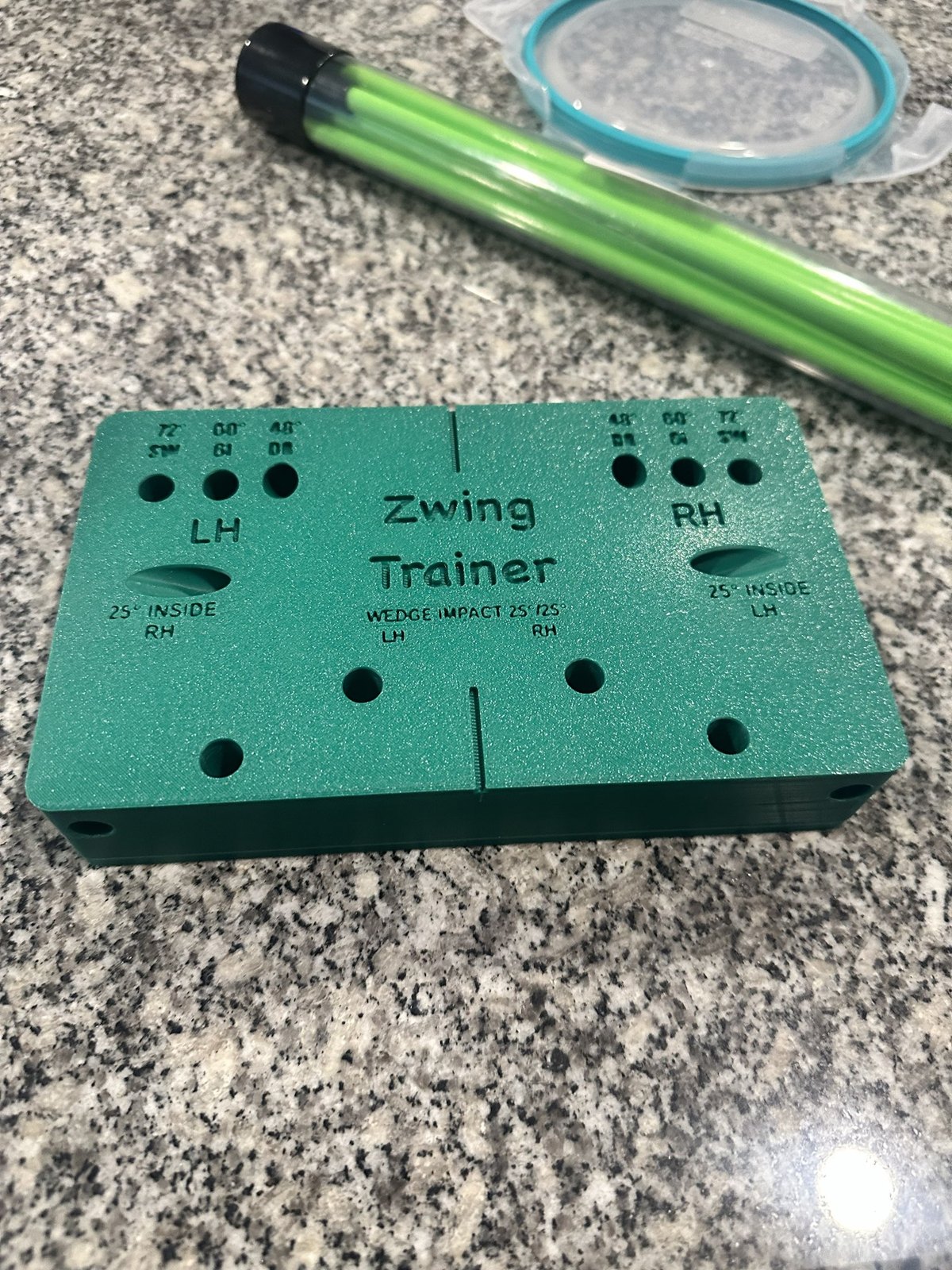
Most beginners swing too steep. The trainer holds alignment sticks at set angles for a wedge, an iron and a driver, left or right handed, and swinging under the stick helps you feel a flatter swing plane.
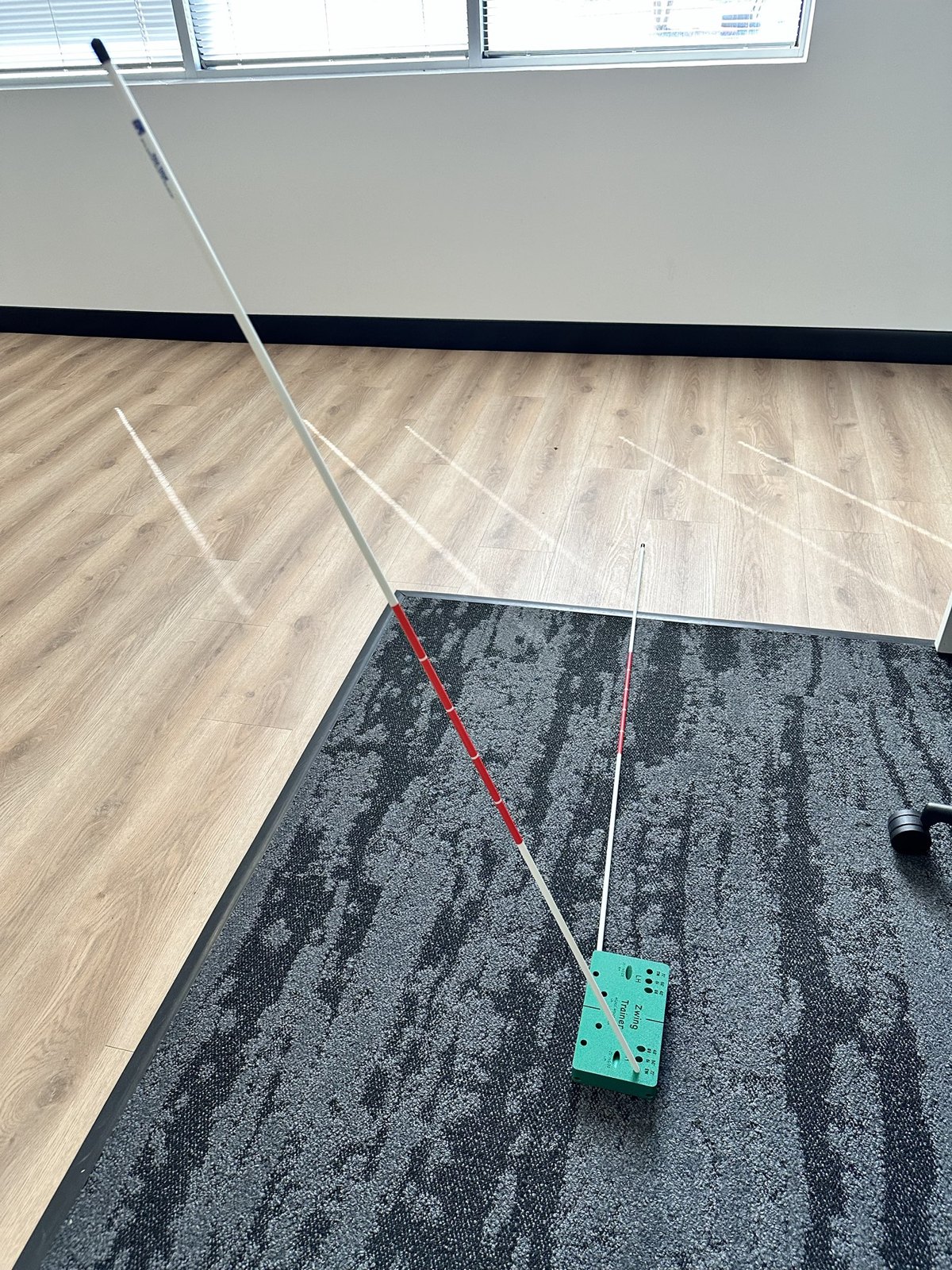
A set of alignment sticks is needed. The holes are 9 mm wide, and I had to cut the rubber ends off my sticks for them to fit.
The base and lid close with four M5 screws, and the cavity inside needs weight so the trainer stays put. The documentation suggests weighing it down with pennies. I used what I had on hand: clay in one and BBs in another.
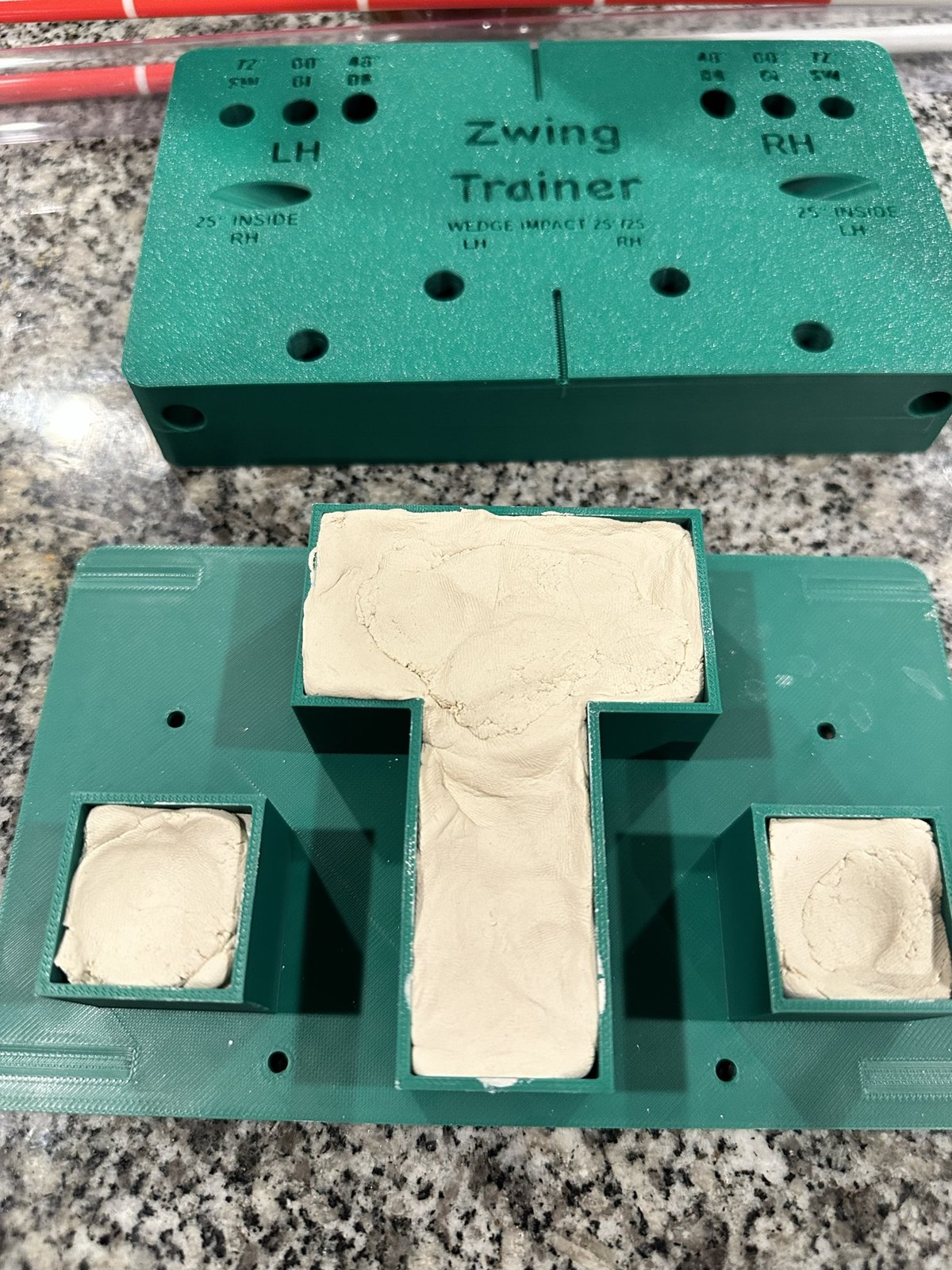
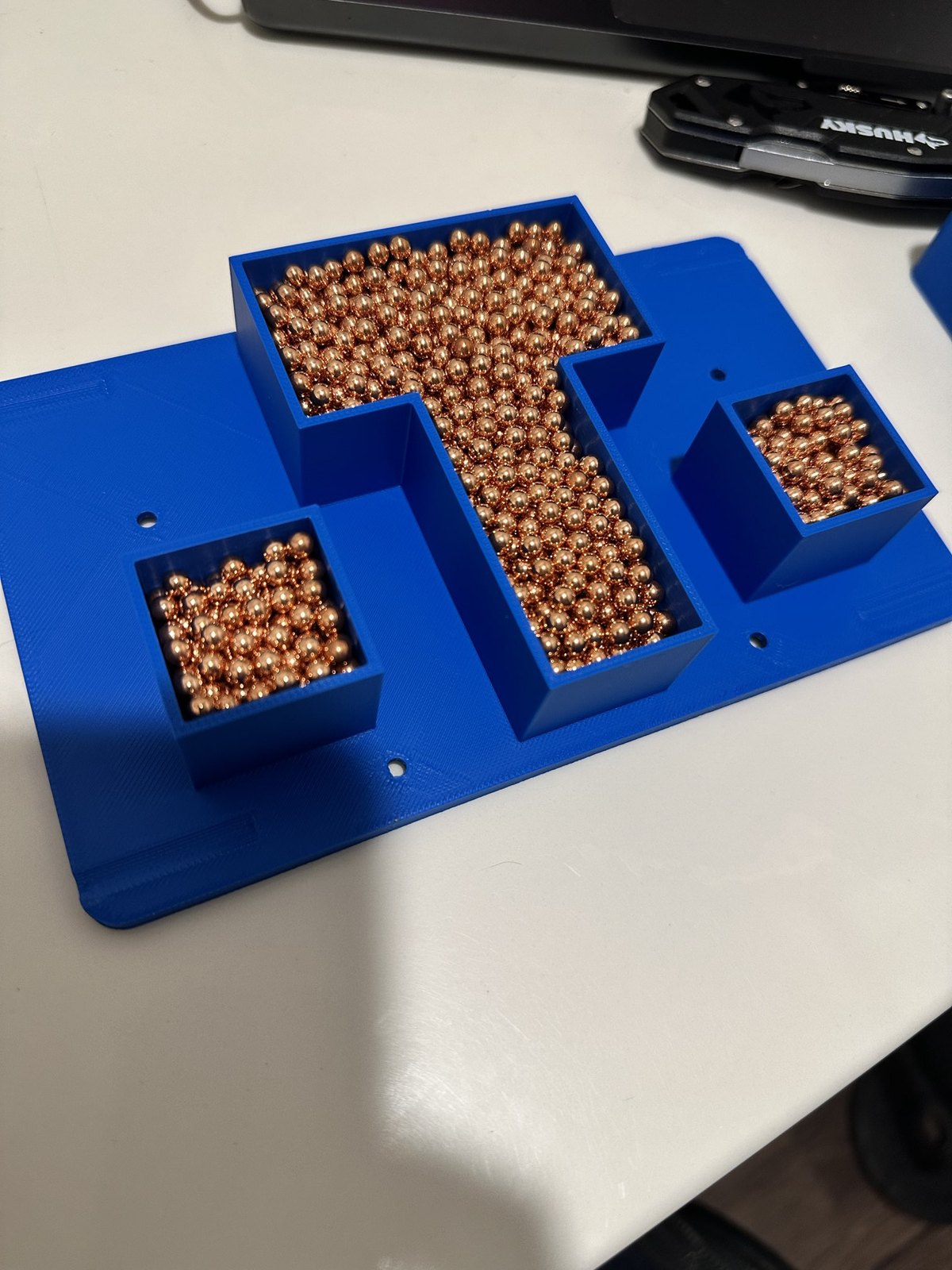
I recommend printing two. Used together, they give you a guide above and below your swing.